Crop protection challenges

Dr Laura Pilon & Clare Trimnell, Iconiq Innovation

Overcoming barriers to biobased pesticide adoption

As the agricultural sector moves toward more sustainable practices, biobased pesticides offer enormous potential, but scaling these innovations from lab to market isn’t simple.

Understanding these barriers is crucial for researchers, manufacturers, policymakers, and farmers alike. Only through collaborative problem-solving can we unlock the full potential of biobased crop protection and accelerate the transition to sustainable agriculture.  This article outlines key challenges for crop protection in the following areas:

  • Commercialisation challenges
  • Regulatory roadblocks
  • Environmental variability
  • Adoption hurdles

The commercialisation challenge: From lab to market

Developing an effective biobased pesticide is only the first step. Scaling these innovations to commercial production presents three critical hurdles:

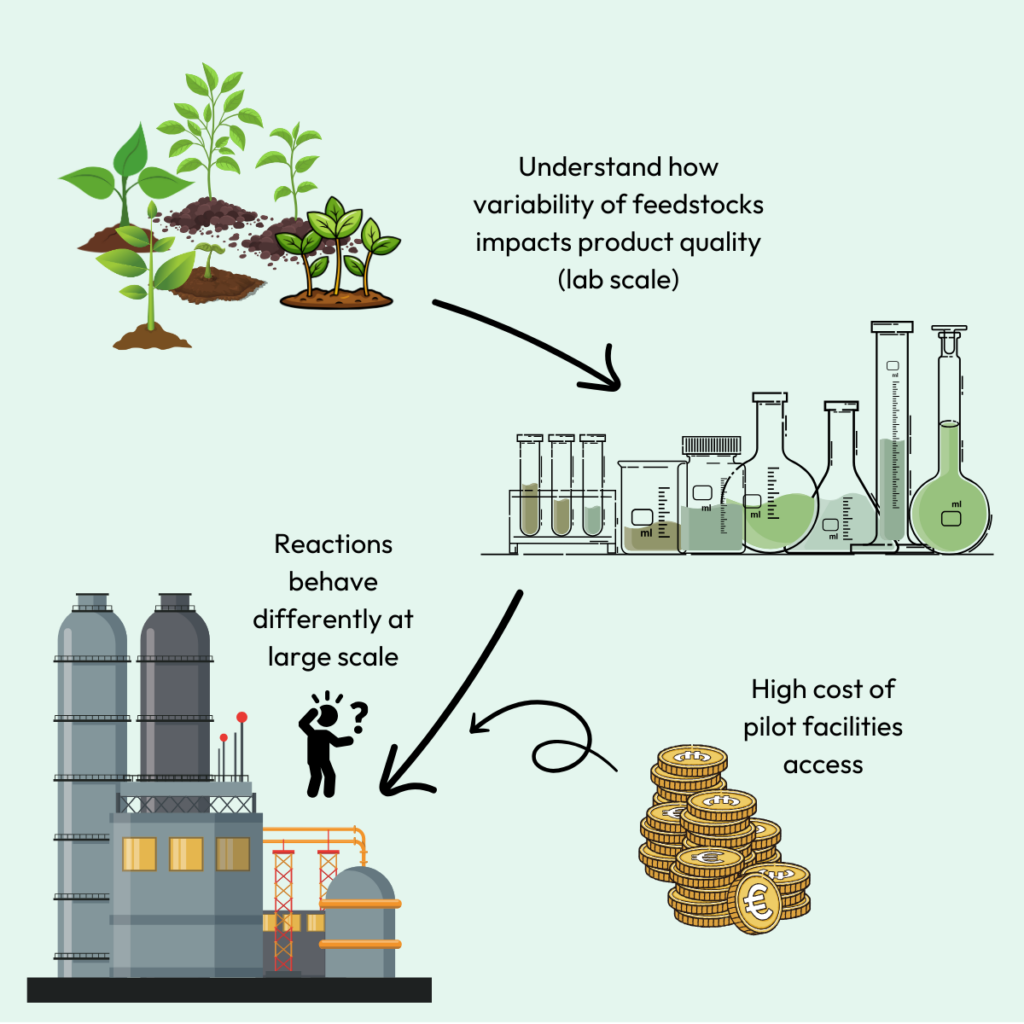
Raw material consistency

Biobased products rely on natural feedstocks, which can vary in quality and available quantity due to seasonal and regional differences as well as competing demands. Ensuring a stable supply chain at scale is essential to maintain product performance, availability and cost-effectiveness.

Technology transfer complexity

Moving from lab-scale to industrial-scale production involves adapting processes without compromising yield and quality. This requires detailed documentation, IP protection, and alignment with facility capabilities—often a major hurdle for small innovators.

Access to facilities and finance

Small companies driving these innovations frequently lack the capital and infrastructure for scale-up. Limited availability of shared, sometimes specialist, bioprocessing facilities and high costs for subcontracted pilot production can delay market entry, making partnerships and funding critical.

Regulatory roadblocks

Even with a successfully scaled product, biobased pesticides face significant regulatory hurdles before they can be sold to farmers.  Getting them to market is often harder than developing them.  Here are three key challenges in this area:

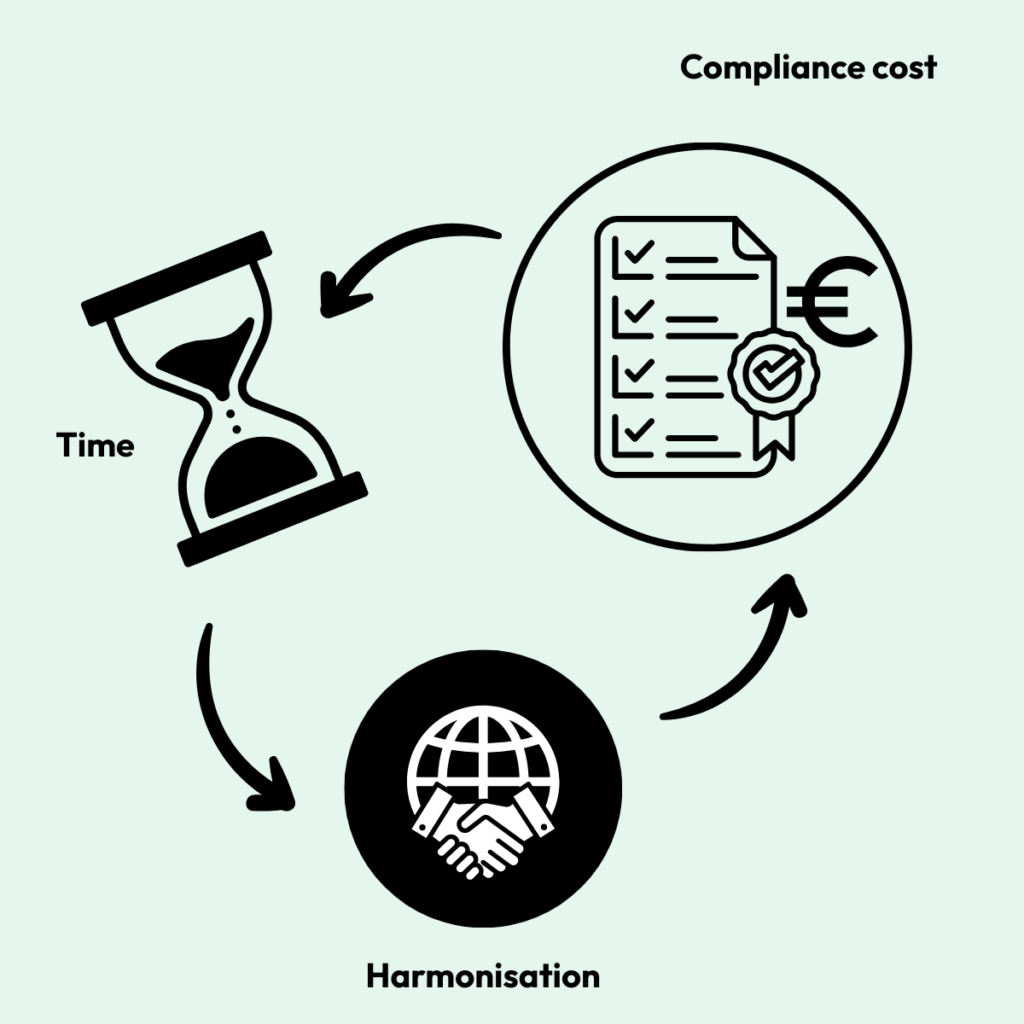
Lengthy approval processes

Biobased products frequently undergo the same rigorous testing as synthetic pesticides. Current frameworks aren’t always adapted for such innovations, leading to delays that slow down commercialisation.

High compliance costs

Generating data for safety, environmental impact, and performance is expensive. These costs can be prohibitive without strong partnerships or funding support.  Without strong partnerships or dedicated funding support, regulatory costs become an existential threat.

Lack of harmonisation across regions

The regulatory complexity multiplies when companies seek to enter multiple markets. Different countries have different rules. Navigating cross-border regulatory systems adds complexity and cost, making global scaling a real challenge.

Environmental Variability: Performance in the field

Beyond commercialisation and regulatory approval, biobased crop protection products must prove themselves effective under the highly variable conditions of actual farm fields. The products promise sustainability, but their performance in the field could be unpredictable.  There are three key challenges farmers face:

Lower stability of bioactive ingredients

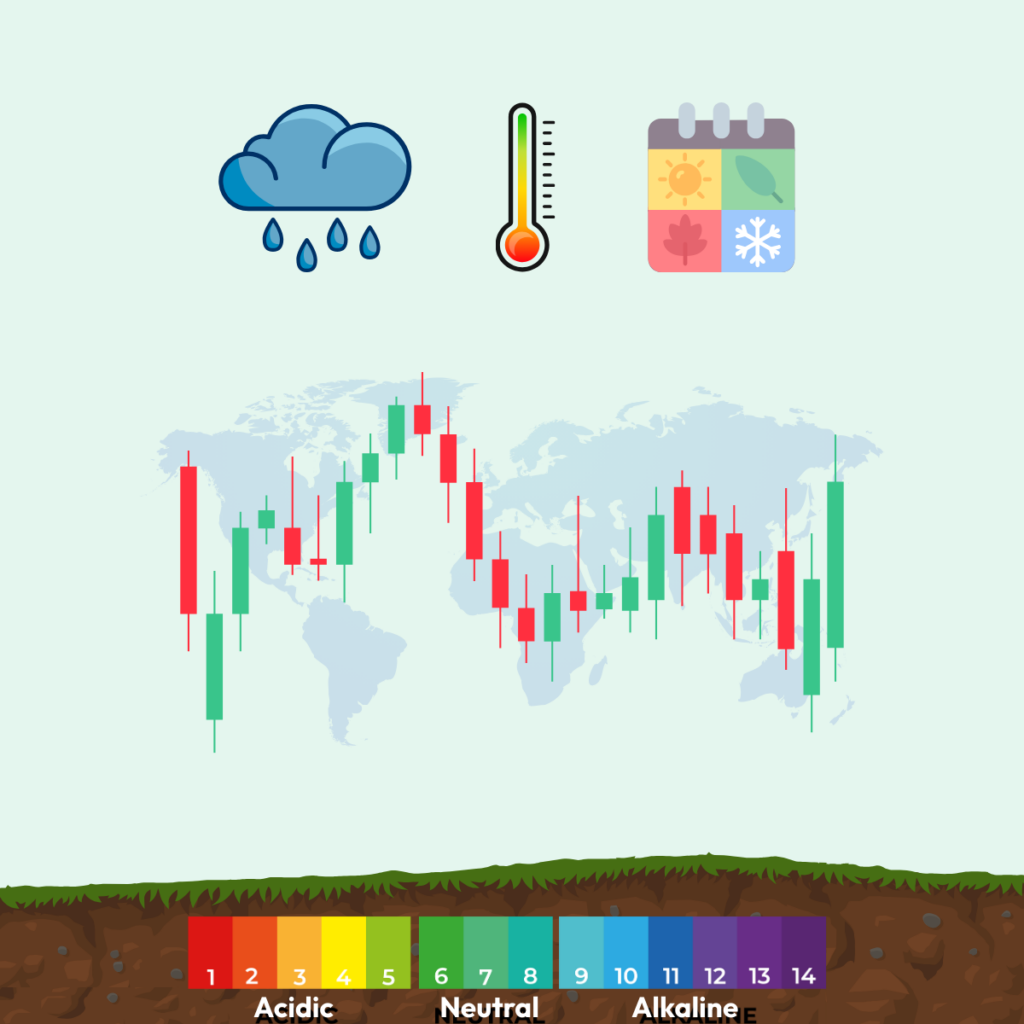
Unlike synthetic chemicals, biobased formulations can be sensitive to environmental conditions and can degrade quicker under sunlight, rain or extreme temperatures.  This can reduce effectiveness, requiring more frequent applications.

Sensitivity to soil and climate conditions

Factors like soil pH, organic matter, and local climate can significantly influence product performance. What works well in one region may underperform in another, making adoption less straightforward.

Pest pressure variability

Biobased solutions often have narrower activity ranges. Under sudden or severe pest outbreaks, farmers may worry about reliability compared to conventional options.

Farmer adoption: What’s holding them back?

Even if all the above challenges are addressed, biobased crop protection products still face adoption barriers at the farm level.  Three key challenges stand out:

Performance confidence under field conditions

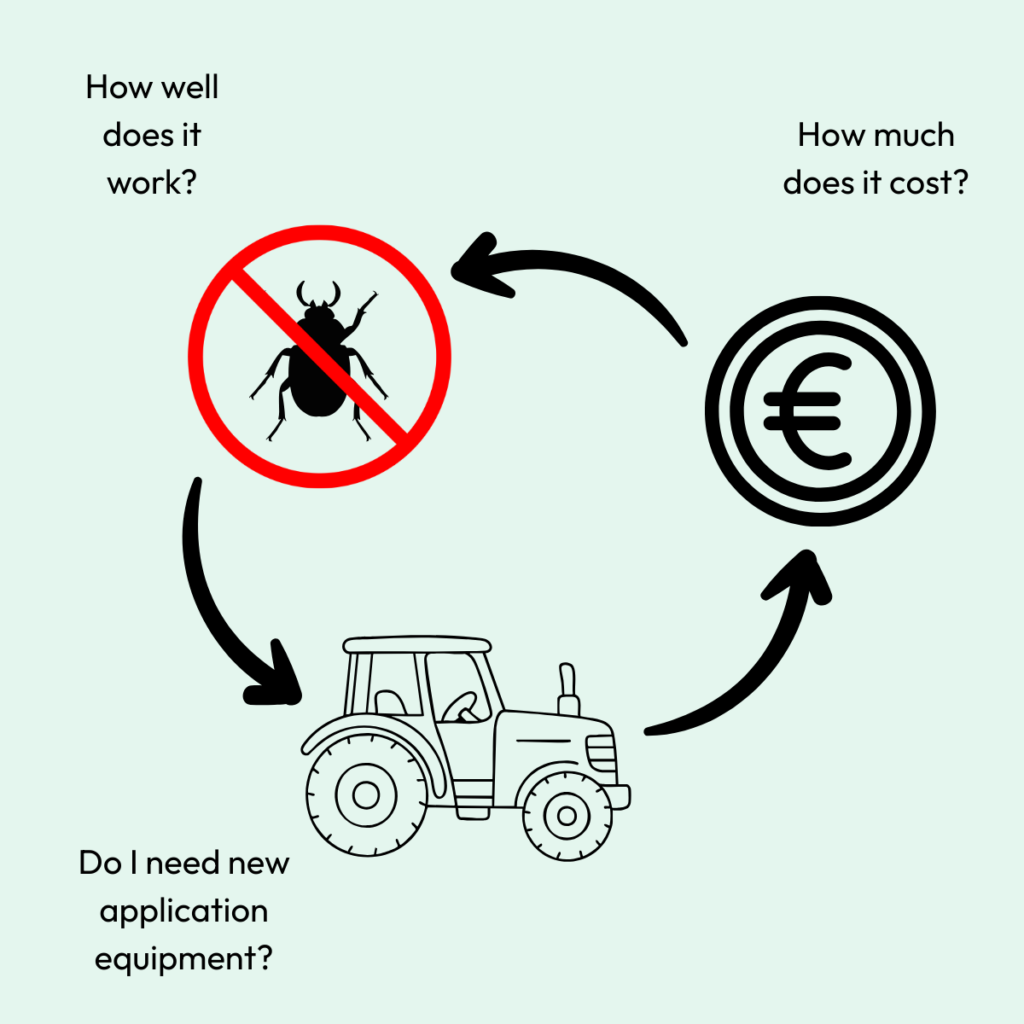
Farmers need confidence that biobased solutions deliver consistent results across diverse climates and pest pressures. Variability in performance can make growers hesitant to switch.

Cost competitiveness

If biobased products come at a premium without clear yield benefits, adoption slows. Demonstrating long-term value will be critical.

Integration with existing practices

Most farms have established routines and equipment optimized for synthetic chemicals. Development of a “drop-in” solution compatible with existing equipment will help ease the friction of a transition, along with support and training for new routines.

The path forward: Collaboration is key

It is clear the potential for biobased crop protection is enormous, but the barriers are substantial.  Success requires collaboration among multiple researchers, manufacturers, policymakers and end-users to ensure these solutions are practical, affordable, and trusted.